
Biography & Early Life
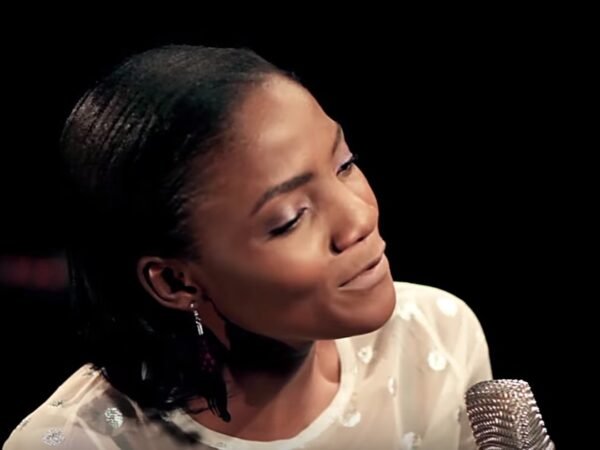
Yemi Alade was born Yemi Eberechi Alade on March 13, 1989, in Abia State, Nigeria. She is the fifth of seven children in a household that beautifully blended two cultures: her father, James Alade, was a Yoruba police commissioner from Ondo State, while her mother, Helen Uzoma, is Igbo from Abia State. The family moved around Nigeria on her father’s postings before settling in Lagos, where she attended St. Savior’s British Primary School and Victory Grammar School, Ikeja.
She studied Geography at the University of Lagos, graduating in 2010 — but music had already chosen her. She sang in church choirs and school competitions, and her earliest influences ranged from King Sunny Adé’s juju music to Whitney Houston’s soul ballads. In 2009, she entered the Peak Talent Show, a nationally televised competition, and won — a victory that launched her professional career and introduced her to the wider Nigerian audience.
Music Career
Her debut single, "Fimisile", followed the talent-show win, but it was "Johnny" in 2014 that changed everything. The song became an anthem across Africa and the diaspora — playful, singable, unstoppable — and remains one of the most-viewed Nigerian music videos of all time. Her debut album, King of Queens (2014), confirmed her as more than a singles artist, and Mama Africa (2016) — a deliberate statement of continental identity — cemented the nickname her fans had already given her.
She has released a steady stream of acclaimed projects since: Black Magic (2017), Woman of Steel (2019), Empress (2020), the Mamapiano EP (2023) and more, with hits including "Tumbum", "Bum Bum", "Na Gode" and "Shekere", her vibrant collaboration with the legendary Angélique Kidjo. Her international collaborations — with Rick Ross, Sauti Soul and others — have carried her sound far beyond the continent.
The honours are extensive: she won Best Female at the MTV Africa Music Awards in 2015 and 2016, was nominated for Best International Act: Africa at the 2015 BET Awards, won Best Performer at the 2019 Headies, and earned a Grammy nomination for Best African Music Performance for "Tomorrow" at the 2025 Grammy Awards. She was the first African female artist to surpass one million YouTube subscribers, a milestone that reflected her enormous digital audience across Africa and the diaspora.
Within Nigeria’s female Afrobeats scene, she is frequently mentioned alongside Tiwa Savage and Ayra Starr as one of the genre’s defining voices.
Net Worth & Income
Yemi Alade’s net worth is estimated at $4-7 million (approx. ₦5.4-9.5 billion), built over a career spanning more than fifteen years. Her income comes from streaming royalties — her catalogue of albums and billion-view videos generates steady plays — extensive touring across Africa, Europe and the Americas, and brand ambassadorships, including premium brands like Closeup. Her record label, Effyzzie Music Group, keeps her business interests independent.
Her music’s multilingual reach — she sings in English, French, Yoruba, Igbo, Swahili, Pidgin and more — is itself an economic asset: it opens francophone and East African markets that many Nigerian artists never reach, multiplying her touring and streaming income across the continent.
Personal Life & Family
Yemi Alade is famously private about her romantic life. She is single, has no publicly known children, and has consistently declined to discuss relationships in interviews, saying her focus is her music and her family. She is close to her parents and siblings — she has spoken warmly about her father’s discipline and her mother’s support — and she honours her dual Yoruba-Igbo heritage in both her music and her public persona.
Beyond music, she is a vocal advocate for women’s rights and empowerment and for the celebration of African culture, using her platform to champion young women across the continent. She splits her time between Lagos and international tour dates, and at 37 she remains one of the hardest-working performers in African music.
Last updated: October 2026